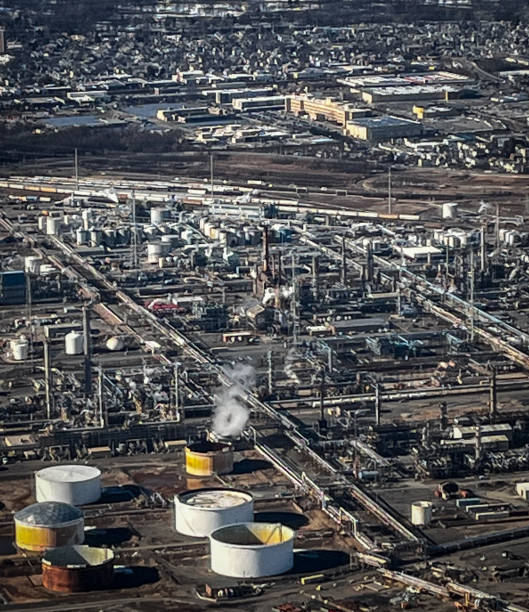
Should More Pipelines Be Constructed in the United States?
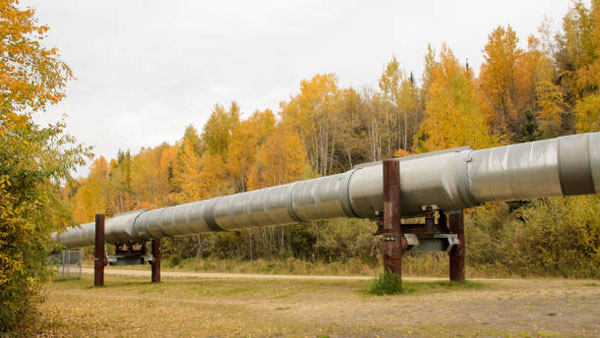
INTRODUCTION
The United States currently has “3.3 million miles of pipelines” that transport oil, gas, and hazardous liquids (Pipeline and Hazardous Materials Safety Administration). This infrastructure plays a “vital role” in Americans’ lives, from cooking and heating homes to transportation and manufacturing a variety of goods. Originally “spurred” by Nazi threats of sinking oil tankers during World War II, America’s pipeline system is rapidly expanding in the modern era (University of Virginia). “Shale booms,” increased demand, and global instability have resulted in tens of thousands of additional miles of pipelines being added within the last decade – and with more to come (Yale School of the Environment).
The proposed Keystone XL Pipeline is just one notable example of a pipeline infrastructure project that has generated substantial debate (University of Virginia). Initially proposed in 2008, the 1200-mile project was vetoed by President Barack Obama, revived by President Donald Trump, revoked by President Joe Biden, and partially reauthorized by President Trump. As large projects such as the Keystone XL Pipeline remain contentious on a national level, hundreds of smaller investments continue to move forward, including 451 from 2006 to 2014, and others denied or withdrawn – 258 in that same timespan (Yale School of the Environment).
Proponents of new pipeline projects often cite the short- and long-term job opportunities that the construction and operation of the new infrastructure will provide. Supporters of such projects also state that they are vital for national security, decreasing the United States’ reliance on oil from hostile, foreign powers, and that they are advantageous for consumers by lowering energy costs. Opponents of such projects frequently reference related environmental incidents and concerns, including oil spills and explosions. Personal property rights and indigenous tribal sovereignty are also of paramount concern, as many individuals do not want to give their land or territory for pipeline construction.
So what do you think? This deliberation presents thirteen video clips, five articles, and numerous educational activities to guide students through a review of the debate over whether there should be more pipelines constructed in the United States. After a careful review of multiple perspectives, students will determine their answer to the question and be presented with several optional extensions to take an active role in the debate.
Objectives and Outcomes
- Students will be able to describe key vocabulary terms and concepts associated with the debate surrounding whether there should be more pipelines constructed in the United States.
- Students will be able to identify and explain aspects of the debate surrounding whether there should be more pipelines constructed in the United States, including those arguments related to consumer benefits, national energy independence, the environment, property rights, and Native American tribal sovereignty.
- Students will be able to evaluate arguments related to the debate surrounding whether there should be more pipelines constructed in the United States and formulate an opinion on this question.